Overmixing cake batter can make some cakes firmer, tougher or less pleasant, but the effect depends on the mixing method and the stage of the recipe. Beating after flour is added is not the same operation as creaming butter and sugar before flour enters the bowl. Stopping too soon can also leave an uneven or weak mixture. The useful rule is to reach the recipe's stated texture, not to fear every extra turn of the spatula.
If a cake disappoints, do not diagnose overmixing from its crumb alone. Measurement, pan depth, oven conditions and ingredient substitutions can create similar symptoms. Start with what you did at each stage.
Identify the method and the stage before diagnosing
What counts as mixing too much?
Overmixing means continuing beyond the development the formula needs. That point differs among butter cakes, oil-based cakes, reverse-creamed cakes and egg-foam cakes. A method may require sustained beating at one stage and gentle folding at another.
Read the full sequence before beginning. “Beat until pale and fluffy” sets a different goal from “fold just until no dry flour remains.” A timer estimate is useful, but the described change in the mixture tells you why the stage exists.
A hand whisk, paddle, spatula and mixer do not act identically. A time written for one tool or batch size may not transfer exactly to another. Use the recipe's equipment guidance and observe the mixture rather than treating minutes as the only finish signal.
Separate ingredient distribution from structural development
Some mixing simply distributes ingredients evenly. Some incorporates air. Some helps develop a structure that supports the cake. Those jobs overlap, but they do not have one universal stopping point.
A bowl can look smooth at the top while holding unmixed material at the bottom. Continuing to beat without scraping may affect the already mixed portion while failing to fix the hidden pocket. Stopping and scraping is often more useful than choosing either maximum speed or immediate silence.
Why the flour stage matters in many cakes
Wheat flour's gluten-forming proteins respond to water and working. Many tender cake formulas aim for enough structure to hold the bake without developing the resilient texture desired in bread. Prolonged vigorous mixing after flour is hydrated can push some batters away from that target.
The amount and type of flour matter alongside mixing. A stronger flour or an accidental excess can change the crumb before the mixer runs too long. Fat, sugar and the order of addition also affect the mixture's behavior.
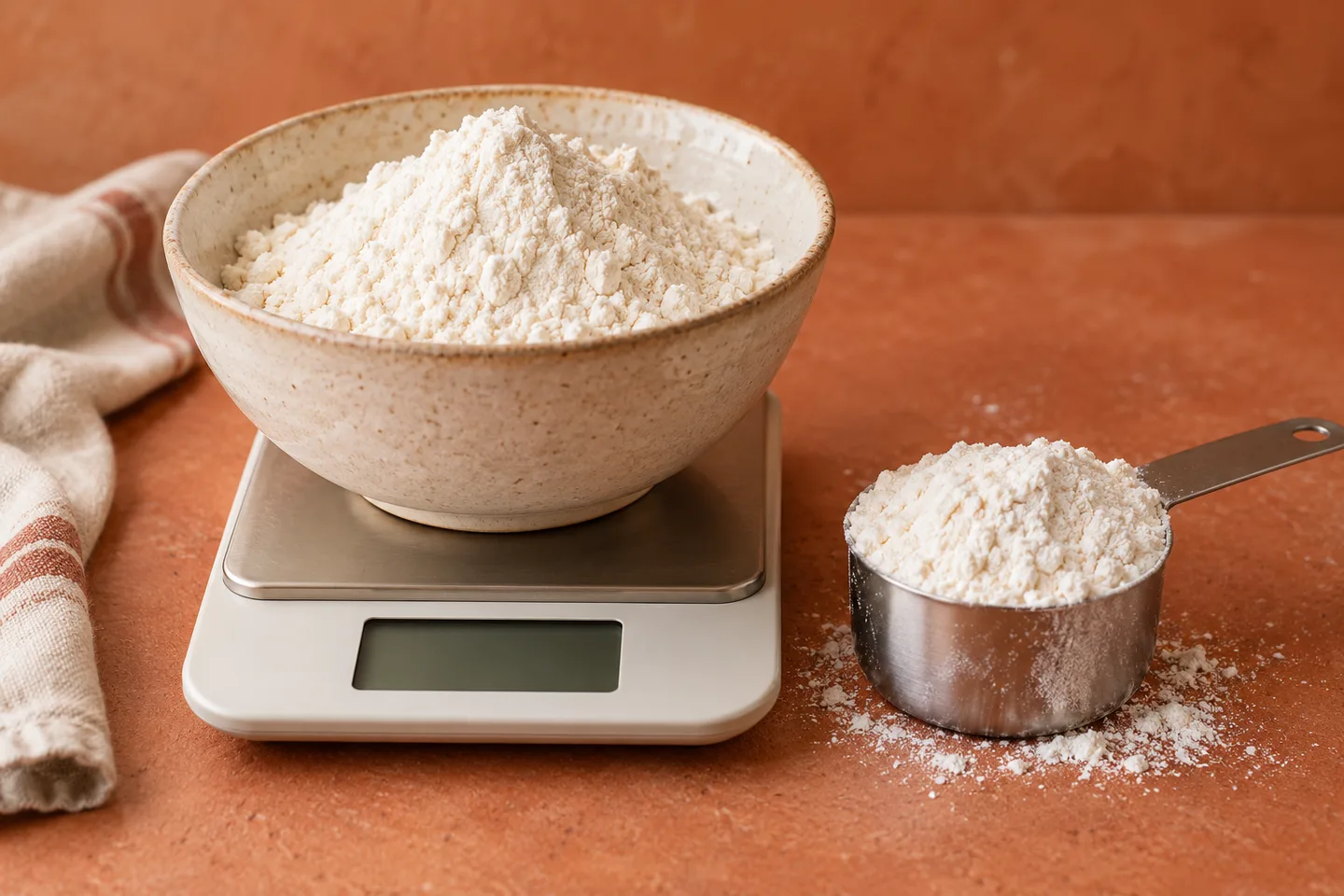
Use accurate flour measurement before blaming a precise minute of beating. A large measurement error is not repaired by a gentler final stir.
“Just combined” does not mean leaving dry pockets
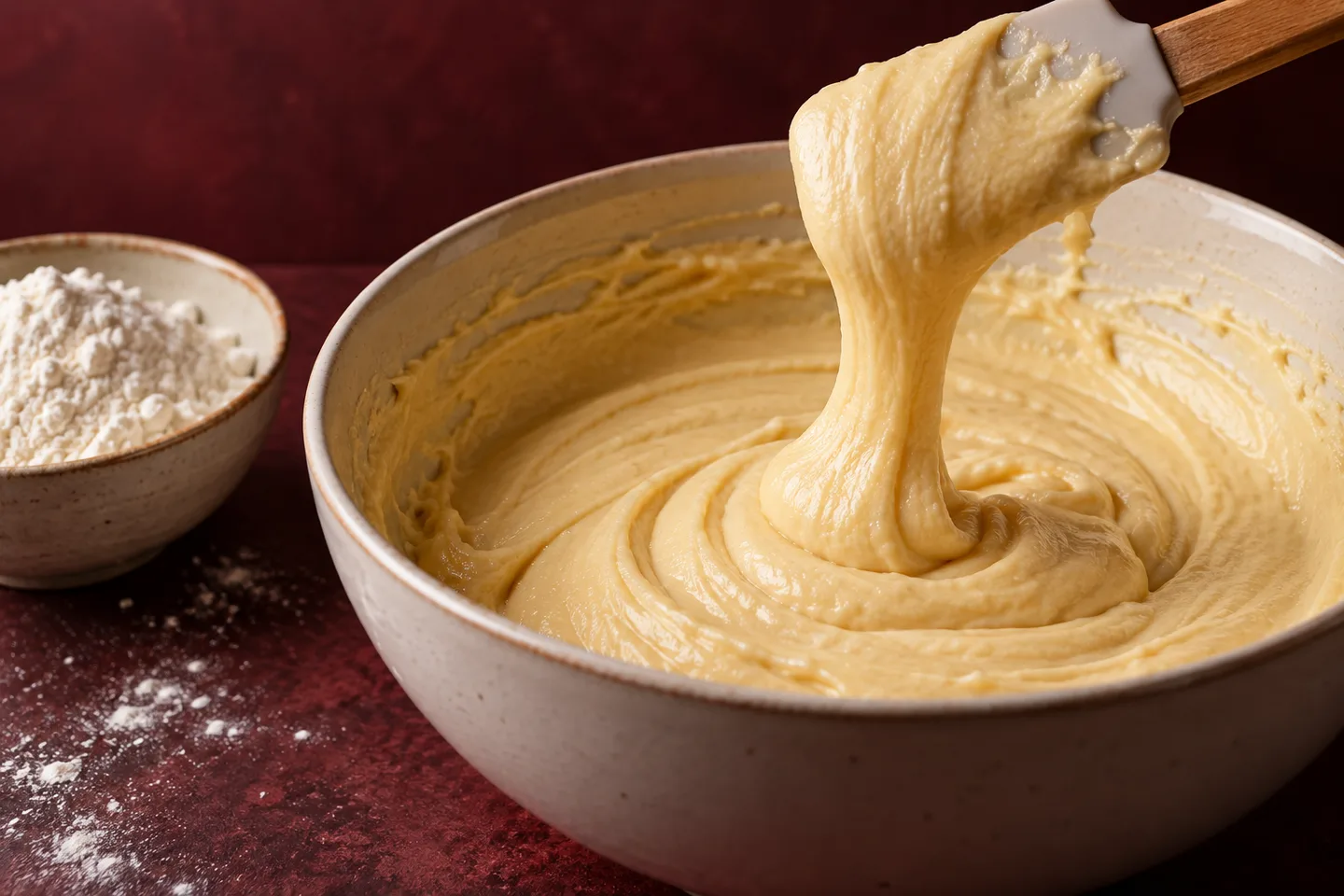
For a method using that instruction, combine until the flour is distributed and no inappropriate dry pockets remain. Scrape the sides and base as directed. Small lumps may be acceptable in some quick-bread batters, while another cake needs a more uniformly developed mixture.
Do not apply a muffin instruction to every layer cake. Texture cues belong to the particular formula. The phrase “do not overmix” should guide controlled completion, not prevent it.
Compare the jobs of creaming, reverse creaming and folding
Creaming is a different stage with a different purpose
In a conventional creamed-butter cake, butter and sugar are worked before flour is added. The recipe aims for an appropriate texture and aeration. Cutting that stage very short because you are worried about gluten does not address the same issue as prolonged flour mixing.
Butter temperature affects the result. Very cold butter may not work smoothly, while butter that is partly melted cannot be treated as ordinary softened butter. The correct starting state helps the method reach its intended texture.
Add eggs as directed and scrape the bowl where needed. Ingredient temperature, sequence and batch size can affect the mixture. Turning the speed higher is not a general solution for a batter that has separated.
Watch the mixture rather than the machine
A powerful mixer can change a small batch quickly. A large bowl may struggle to engage a tiny amount evenly. These practical differences explain why the same stated time can produce different results.
Keep the mixer within its manual's limits and stop it before scraping. Our mixer comparison discusses task fit and safe handling, which remain relevant even for a light batter.
Reverse creaming changes the sequence
A reverse-creamed or paste-method cake commonly begins by working fat with dry ingredients before adding liquid in a defined sequence. The early mixture may look sandy rather than fluffy. That appearance can be correct for the method.
King Arthur's reverse-creaming explanation shows why the order differs from conventional creaming. Do not switch between the two methods by instinct while keeping the original instructions.
Some of these formulas need more development after liquid is added than a generic “stir as little as possible” rule suggests. Follow the specified stages and visual targets. Fat coating the flour does not mean the batter can never be affected by poor mixing.
Undermixing is a real alternative diagnosis
King Arthur's discussion of undermixed cake batter explains that insufficient mixing can leave some cakes without the intended structure. That is a useful reminder to evaluate the formula rather than assume all cake problems come from excessive mixing.
A weak result does not tell you automatically to beat every future cake longer. It tells you to check whether the required development stage was completed in this recipe.
Egg-foam cakes need air to survive the folding stage
Foam cakes use beaten eggs or whites as an important source of structure and lift. The whipping stage has its own target, and the later incorporation of flour or another mixture needs appropriate handling to preserve useful air.
Rough, repeated folding can reduce the foam's volume. Incomplete folding can leave pockets that behave differently during baking. A gentle, thorough method aims to balance those risks.
Use the bowl size and tool the recipe recommends. A method that looks like slow stirring from the top may fail to reach the bottom. Follow a clear folding motion and stop when the ingredients are distributed as intended.
Do not impose a butter-cake standard
A foam batter may be lighter and more delicate than a creamed batter. Its pan preparation and cooling can differ too. The mixing assessment should fit that entire method, not only the batter's appearance in the bowl.
King Arthur's overview of cake-mixing methods is useful for identifying the method before interpreting a stage. The names describe different processes, not interchangeable labels.
Interpret the crumb alongside inclusions and formula changes
Read the finished cake without jumping to a cause
A firmer crumb can raise questions about flour development, but excess flour and overbaking can also make a cake less tender. Large holes or an uneven crumb can involve several parts of the formula and process. A collapsed center can involve incomplete setting.
Wait until the cake reaches the appropriate cooled state before judging its structure. Cutting a very warm cake can compress or smear the crumb and create a misleading impression. Keep the pan and baking notes beside the mixing notes.
If the center sank, review cake-sinking troubleshooting. Mixing is part of that investigation, not the only explanation.
What does a rubbery crumb tell you?
It tells you the texture was not what you wanted. To investigate, ask when flour was added, how long and how vigorously the batter was worked afterward, and whether the flour type changed. Then check measurement and baking completion.
Do not assign a certainty such as “exactly two minutes too long” from a photograph. The finished crumb records the whole process, and several variables can produce similar appearances.
Add flavorings and inclusions at the right stage
A batter can be mixed correctly and then worked extensively while you try to distribute chocolate chips, nuts or fruit. Prepare inclusions before starting, and add them at the point the recipe specifies. Several small unplanned additions create more handling than one deliberate incorporation.
Use the stated quantity and preparation. Large wet fruit pieces, extra puree or a substantial amount of chopped chocolate can change the formula as well as the mixing task. Calling those ingredients “extras” does not make their moisture, weight or fat irrelevant.
Flavor changes may need a different formula
Cocoa is not simply brown flour, and replacing part of a vanilla cake's flour with an arbitrary amount can change absorption and ingredient balance. A chocolate cake developed for the intended method is a more reliable starting point than a last-minute conversion. Its batter can also look different from a vanilla version without being incorrectly mixed.
For swirled cakes, separate and flavor portions as the recipe directs, then create the swirl with the recommended handling. Stirring the two colors together repeatedly changes the pattern and adds mixing. Prepare the pan before beginning so you can stop when the intended design is reached.
If inclusions collect unevenly in the finished cake, investigate their size, amount and the batter's intended consistency. Automatically beating harder may not address the cause. Record the preparation of those ingredients alongside the main mixing stages when planning a repeat bake.
Control each stage and make a useful repeat bake
A practical way to control each stage
- Read the method and mark where flour first meets liquid.
- Use the specified ingredient temperatures and measuring method.
- Choose the intended mixing tool and an appropriate bowl size.
- Complete each stage to its stated texture, scraping when directed.
- Reduce intensity or fold when the method changes, rather than keeping one speed throughout.
- Prepare the pan and oven in advance so finished batter does not wait unnecessarily.
A short note beside the recipe can help: “cream fully,” “scrape after eggs,” and “combine flour as directed” separates the jobs. The aim is attentive control, not a rule that the mixer should run as little as possible.
Hand mixing does not remove the risk of inconsistency
A spatula can still work a mixture extensively, and a hurried hand method can leave ingredients uneven. Conversely, a mixer used carefully can produce the intended batter. The tool is less important than whether it carries out the stage correctly.
Use a manual method when the recipe supports it and it fits your comfort. If a recipe depends on substantial whipping, choose equipment or another recipe that lets you complete that job properly.
Make the next bake answer a specific question
If you suspect prolonged flour-stage mixing, repeat the recipe with accurate ingredients, the same pan and oven, and a more controlled final stage. Observe the change in the cooled cake. Do not simultaneously reduce sugar and switch flour.
If you suspect an incomplete earlier stage, follow the original instructions more closely and record the texture reached. A successful repeat helps establish your own process, but it does not prove a universal mixing time.
Keep a record of the stage, not just the total minutes
Write down the tool, speed where relevant, bowl size and the texture you observed at each transition. “Mixed for five minutes” tells little if three different operations occurred during that time.
Include substitutions and measurement uncertainty. A different butter product, flour blend or egg size can alter the batter. The record should describe the recipe you actually made, not the one you meant to make.